Essential Gear for Successful Wreck Diving Adventures
- duhhomer
- Nov 12, 2025
- 4 min read
Wreck diving is an exhilarating experience that combines adventure, history, and exploration. As divers, we have the unique opportunity to explore sunken ships and aircraft, uncovering stories that have been submerged for decades. However, to ensure a successful and safe wreck diving adventure, having the right gear is crucial. In this post, we will explore the essential equipment needed for wreck diving, tips for preparation, and safety considerations to keep in mind.
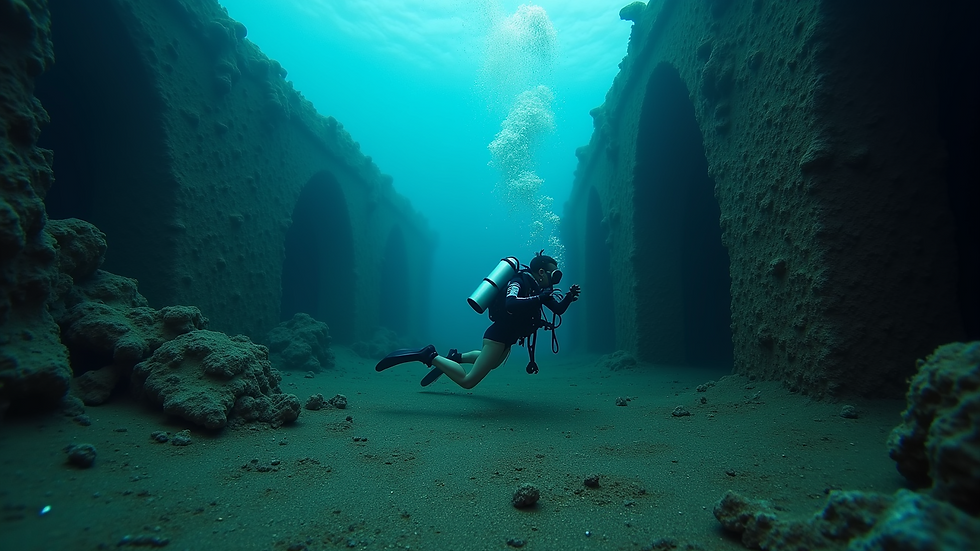
Understanding Wreck Diving
Before diving into the gear required for wreck diving, it’s important to understand what wreck diving entails. Wreck diving involves exploring submerged vessels, which can range from ancient ships to modern-day aircraft. Each wreck presents unique challenges and opportunities for discovery.
The Allure of Wreck Diving
Wreck diving attracts divers for various reasons:
Historical Significance: Many wrecks are tied to significant historical events, offering a glimpse into the past.
Marine Life: Wrecks often become artificial reefs, attracting diverse marine life.
Adventure: The thrill of exploring the unknown is a major draw for many divers.
Essential Gear for Wreck Diving
Having the right equipment is vital for a successful wreck diving experience. Below are the key items every wreck diver should consider:
1. Wetsuit or Dry Suit
Depending on the water temperature, a wetsuit or dry suit is essential for thermal protection.
Wetsuit: Ideal for warmer waters, providing insulation while allowing some water to circulate.
Dry Suit: Best for colder waters, keeping you completely dry and insulated.
2. Scuba Tank and Regulator
A reliable scuba tank and regulator are fundamental for any diving adventure.
Scuba Tank: Ensure your tank is filled with the appropriate gas mixture for your dive.
Regulator: A high-quality regulator will provide a steady flow of air, crucial for deep dives.
3. Buoyancy Control Device (BCD)
A BCD allows divers to control their buoyancy underwater.
Integrated Weight System: Many BCDs come with an integrated weight system, making it easier to manage your weight while diving.
Comfort and Fit: Ensure your BCD fits well and is comfortable for extended periods underwater.
4. Dive Computer
A dive computer is essential for monitoring your depth, time, and decompression limits.
User-Friendly Interface: Look for a dive computer with a clear display and easy-to-navigate menus.
Safety Features: Many dive computers come with safety features like alarms for ascent rates and no-decompression limits.
5. Dive Light
Exploring wrecks often involves navigating dark areas. A reliable dive light is crucial for visibility.
Brightness: Choose a light with adjustable brightness settings to suit different environments.
Battery Life: Ensure your dive light has a long battery life for extended dives.
6. Cutting Tool
A cutting tool is a safety essential for any diver.
Types: Options include dive knives, shears, or line cutters.
Accessibility: Ensure your cutting tool is easily accessible in case of emergencies.
7. Safety Equipment
Safety should always be a priority when diving. Consider the following safety equipment:
Surface Marker Buoy (SMB): An SMB signals your location to surface support and helps with ascent.
Emergency Beacon: A personal locator beacon can be invaluable in emergencies.
8. Underwater Camera
Capturing the beauty of wrecks is a rewarding experience. An underwater camera allows you to document your adventures.
Durability: Choose a camera designed for underwater use, ensuring it can withstand pressure and water exposure.
Image Quality: Look for a camera with good low-light performance for capturing details in darker environments.
Preparing for Your Wreck Dive
Preparation is key to a successful wreck dive. Here are some tips to ensure you are ready:
1. Research the Wreck
Before diving, research the wreck you plan to explore. Understanding its history, layout, and potential hazards will enhance your experience.
2. Plan Your Dive
Create a detailed dive plan that includes:
Depth and Duration: Determine how deep you will go and how long you will stay underwater.
Entry and Exit Points: Identify where you will enter and exit the water.
Emergency Procedures: Outline what to do in case of an emergency.
3. Check Your Gear
Before each dive, conduct a thorough gear check. Ensure all equipment is functioning properly and is in good condition.
4. Dive with a Buddy
Wreck diving can be challenging, so always dive with a buddy. This ensures safety and allows for shared experiences.
Safety Considerations for Wreck Diving
Wreck diving presents unique risks that divers should be aware of. Here are some safety considerations:
1. Understand the Environment
Wrecks can be unpredictable environments. Be aware of potential hazards such as:
Sharp Edges: Wrecks often have sharp metal edges that can cause injury.
Entanglement Risks: Loose lines or debris can pose entanglement hazards.
2. Monitor Your Air Supply
Always keep an eye on your air supply and plan your ascent accordingly.
Reserve Air: Maintain a reserve of air for emergencies.
Ascent Rate: Follow safe ascent rates to avoid decompression sickness.
3. Avoid Touching the Wreck
While it may be tempting to touch or explore the wreck closely, avoid doing so to preserve the site and ensure your safety.
4. Follow Local Regulations
Different locations may have specific regulations regarding wreck diving. Always adhere to local laws and guidelines.
Conclusion
Wreck diving offers a unique opportunity to explore history and marine life. By equipping yourself with the essential gear and preparing adequately, you can ensure a safe and enjoyable diving experience. Remember to prioritize safety, respect the environment, and enjoy the thrill of uncovering the mysteries of the deep.
As you gear up for your next wreck diving adventure, consider the equipment and preparation tips outlined in this post. Happy diving!
Comments